
Next step
Hybrid Fulfillment Workflows
See how website orders, reserved pickup, SMS, and follow-up fulfilment fit into one workflow.
Explore hybrid fulfilmentHybrid fulfillment only works when the machine knows exactly what part of the order it owns and what happens next. Without that clarity, the shopper experiences a half-machine, half-manual process that feels more like a support ticket than a modern pickup workflow.
This guide explains where hybrid vending fulfillment fits in a live deployment, what usually goes wrong first, and why what hybrid fulfillment actually means in vending tends to shape the next buying decision more than a glossy feature list ever will.
Use it when the conversation has moved beyond light research and someone now needs a practical brief they can carry into compatibility review, procurement, or rollout planning.
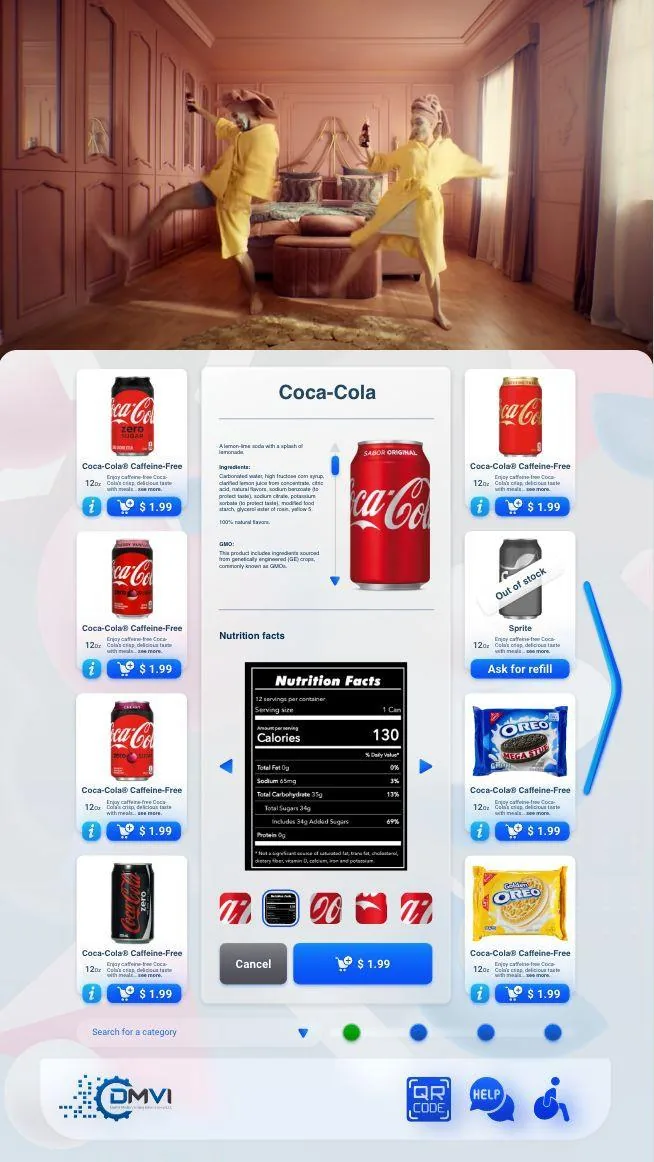
Hybrid fulfillment workflows in vending affects more than headline positioning. It changes rollout sequencing, workflow ownership, and which assumptions need to be confirmed before money or hardware is committed.
This guide walks through hybrid vending fulfillment in operational terms, with particular attention to what hybrid fulfillment actually means in vending and the surrounding decisions buyers usually need answered before the project can move forward.
The goal is to give operations, procurement, compliance, and implementation stakeholders a shared working brief instead of leaving each team to infer the hard bits separately.
When the project is ready, the same questions can be carried directly into a scoped demo or compatibility review with the machine model, region, and deployment objective already defined.
Hybrid fulfillment is broader than a single click-and-collect story. In vending it usually means the customer journey is split across more than one channel, location, or fulfilment step, so the machine may sell, reserve, release, verify, or hand off an order rather than simply dispense everything from local stock in one moment.
That distinction matters because buyers often use the phrase loosely. The machine might be the point of sale, the pickup endpoint, the secure release point, or one stage in a broader workflow involving ecommerce, warehouse inventory, staff prep, or digital follow-up after the physical interaction.
Operators look at hybrid fulfillment when they want to sell beyond what physically fits inside one cabinet, extend service hours without staffing a full counter, or combine ecommerce demand with unattended collection. It can also help protect margin by routing some orders to lower-cost or better-stocked fulfilment points instead of forcing every promise through the nearest machine.
The appeal is flexibility, but flexibility only becomes valuable when the software can keep order state, reservation rules, and customer messaging coherent. Otherwise hybrid fulfillment just creates more places for the business to disappoint the customer.
Real-time inventory visibility is what keeps hybrid fulfillment honest. If the platform cannot tell which stock is available, reserved, expired, partially collected, or promised elsewhere, the customer journey breaks long before anyone notices the cabinet design or the marketing copy.
That is why sensible operators start with simple reservation rules and clear ownership. They define when stock is committed, how long it can be held, what happens if the order changes, and when reserved inventory returns to sale. Hybrid workflows become expensive very quickly when those basics are left fuzzy.
A hybrid deployment lives or dies on the machine experience at the moment of handoff. If the shopper arrives with a code, a QR, or an expectation of pickup, the machine needs to make the next step obvious and reassure them that the order status is understood correctly. Vague messaging creates support tickets faster than almost anything else in this category.
This is especially important when the machine is not doing a simple immediate vend. Pickup windows, delayed orders, partial collections, expired holds, and failed release attempts all need explicit machine-side responses so the customer knows what to do next instead of guessing.
Hybrid fulfillment looks different when the products are refrigerated meals, higher-value electronics, age-restricted items, or regulated goods that need stronger chain-of-custody discipline. The more sensitive the product, the more carefully the handoff, storage, and exception logic need to be designed before launch.
Venue access matters too. A machine may be technically available around the clock while the building, campus, office, or hotel floor is not. Buyers who wave around 24/7 language without checking real access conditions usually end up promising a convenience model the venue cannot actually support.
A hybrid pilot should prove that reservation logic, order-state changes, pickup success, and support handling all work under real conditions. It should also reveal whether the machine is truly the right endpoint or whether lockers, staffed handoff, or a different fulfilment split would suit the product and venue better.
That is why the best buyers treat hybrid fulfillment as an operating-model test rather than a feature demo. The goal is not to make the workflow sound futuristic. The goal is to make it dependable enough that customers, operators, and site partners all trust what happens after the order is placed.
Most vending deployments succeed when the operator treats this topic as part of a wider operating model instead of a standalone feature request. That means machine compatibility, workflow ownership, reporting expectations, and rollout sequencing should all be reviewed together rather than in separate disconnected conversations.
Buyers also benefit from documenting what must be true on day one, what can be phased in later, and which assumptions still need confirmation from hardware, payment, or compliance stakeholders. That level of clarity shortens implementation cycles and prevents expensive rework after the machine is already live.
In practical terms, the strongest next step is usually a compatibility review or a scoped demo with the machine type, rollout geography, and business objective already defined. That gives DMVI enough context to answer the real question, not just the headline version of it.
Teams that document those answers early also make the project easier for procurement, operations, finance, and implementation partners to evaluate. Clear documentation becomes especially valuable when multiple vendors, venues, or regulators are involved because everyone can work from the same operating assumptions instead of inventing them as the project moves.
Use this checklist to pressure-test the deployment before money, hardware, or procurement time is committed.
Use the related pages below to move from research into the right product or deployment conversation.
It means the order flow is split across channels, usually with part of the customer journey happening online or by message and part of it being completed at the machine or pickup point.
Because someone has to define reservation timing, handoff rules, customer notification, pickup confirmation, and exception handling. If those answers are vague, the shopper journey becomes confusing almost immediately.
Hybrid fulfillment is the broader operating model. Click and collect is one common use case inside it, but other deployments also involve staged pickup, order hold logic, or handoff between the machine and staff workflow.
They should test inventory reservation logic, pickup timing, customer messaging, failed collection handling, and what the machine shows when the order state changes.
Yes, but the workflow needs more discipline because access rules, logging, and handoff ownership usually matter more in those environments.
Not always. Some deployments use the machine as the dispense point, while others use it as part of a broader pickup or release process tied to a parallel workflow.
Assuming the customer journey will just sort itself out once ecommerce is connected. In reality, the machine experience and the order-state logic have to be designed together.
Bring the intended order channel, pickup flow, machine type, notification method, and any questions about how the machine should behave when orders are late, partial, or changed.
Move from research into the product, solution, or compatibility page that best matches the machine and deployment you are actually planning.