Next step
Harm Reduction Solution Page
Review the solution path for public-health and harm-reduction vending deployments.
View harm reduction solutionExpanded public-health guide for agencies, nonprofits, and institutional teams planning a Narcan or naloxone vending deployment.
Covers deployment design, funding context, machine placement, monitoring, reporting, and launch sequencing.
A successful Narcan vending deployment requires clear answers to a predictable set of planning questions before any hardware is ordered. Deployment design comes first, machine path second, monitoring and reporting next, then launch with a named operating owner.
Public-health buyers are not looking for hype. They need a credible deployment model that can run 24/7, stay stocked, and produce the data required for grant, deployment, or board reporting.
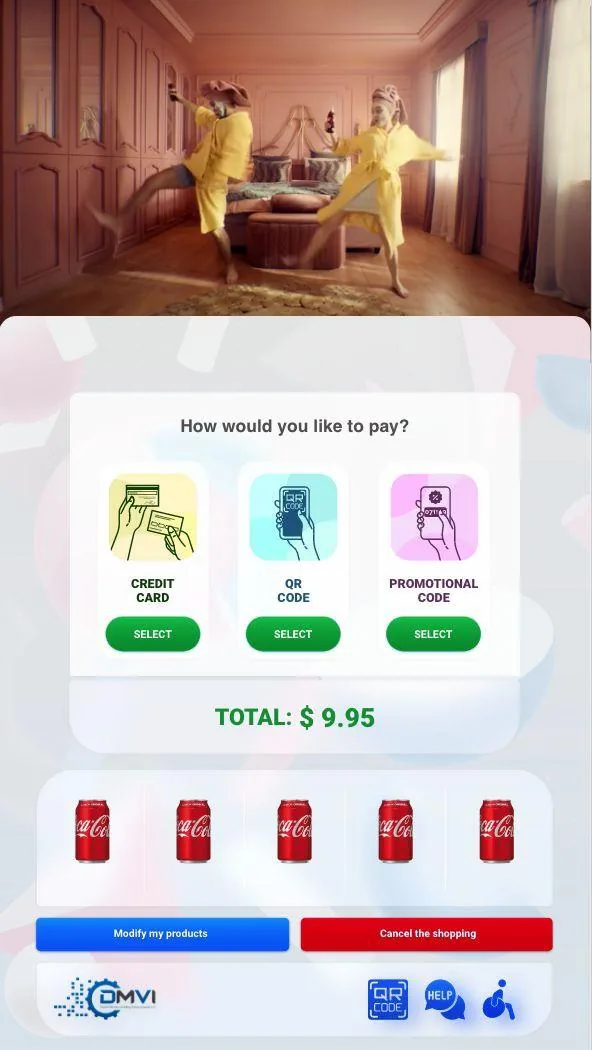
See the machine-side flow, interface behaviour, and public-health software layer in a full-width walkthrough rather than a cramped single-column embed.
The first questions are operational, not technical: who owns the deployment, who restocks the machine, what access model it needs, and what success looks like after launch.
Location type matters too. A campus, shelter, county office, nightlife venue, and hospital corridor all create different access and support assumptions.
Many Narcan deployments are funded through opioid settlement funds, SAMHSA-related budgets, local public-health grants, healthcare partnerships, or broader community harm-reduction efforts.
That means reporting requirements should be discussed early. Funders often want uptime, dispensing volume, geography, and deployment reach data that cannot be assembled cleanly if the reporting workflow was never designed.
Machine selection depends on environment, public access, climate, security assumptions, and the volume of dispensing expected. Placement should support visibility and access without undermining safety or administrative oversight.
That is why machine selection belongs after deployment design but before launch planning.
A Narcan machine can operate unattended 24/7, but unattended does not mean unmanaged. Someone still needs stock alerts, uptime visibility, refill responsibility, and a way to respond if the machine goes offline.
VendingTracker supports that operating layer with monitoring, alerting, stock visibility, and reporting exports.
The most reliable launch sequence for a Narcan vending deployment follows a clear order: deployment design first, machine path second, monitoring setup third, reporting outputs fourth, then launch with ownership already defined.
That sequence reduces improvisation and produces a more credible public-health deployment from day one.
Most vending deployments succeed when the operator treats this topic as part of a wider operating model instead of a standalone feature request. That means machine compatibility, workflow ownership, reporting expectations, and rollout sequencing should all be reviewed together rather than in separate disconnected conversations.
Buyers also benefit from documenting what must be true on day one, what can be phased in later, and which assumptions still need confirmation from hardware, payment, or compliance stakeholders. That level of clarity shortens implementation cycles and prevents expensive rework after the machine is already live.
In practical terms, the strongest next step is usually a compatibility review or a scoped demo with the machine type, rollout geography, and business objective already defined. That gives DMVI enough context to answer the real question, not just the headline version of it.
Teams that document those answers early also make the project easier for procurement, operations, finance, and implementation partners to evaluate. Clear documentation becomes especially valuable when multiple vendors, venues, or regulators are involved because everyone can work from the same operating assumptions instead of inventing them as the project moves.
Use this checklist to pressure-test the deployment before money, hardware, or procurement time is committed.
Use the related pages below to move from research into the right product or deployment conversation.
Start with deployment design, environment choice, machine selection, monitoring setup, and reporting requirements before launch. The strongest deployments name an operating owner from the beginning.
Requirements vary by funder and deployment type, but common outputs include dispensing volume, uptime, stock status, and geographic coverage.
County health departments, nonprofits, hospitals, universities, local governments, and institutional partners commonly operate these programs.
Costs vary by machine, software, connectivity, installation, and ongoing restocking. Funding often comes from grants, settlements, or agency budgets.
Yes. Unattended 24/7 access is common, but monitoring and restocking responsibility still need to be assigned clearly.
Book a demo, request a compatibility review, or start an integration conversation with the right technical context from the start.