Next step
Custom Development
Review the route for machine UI, mobile apps, private cloud modules, and partner-specific workflow scope on top of the core platform.
See custom developmentVendingTracker integrations are reviewed around real deployment requirements: machine type, payment environment, ad-server or verification hardware, and which system owns the data at each stage.
That is more useful than pretending every machine and every third-party system behaves identically.
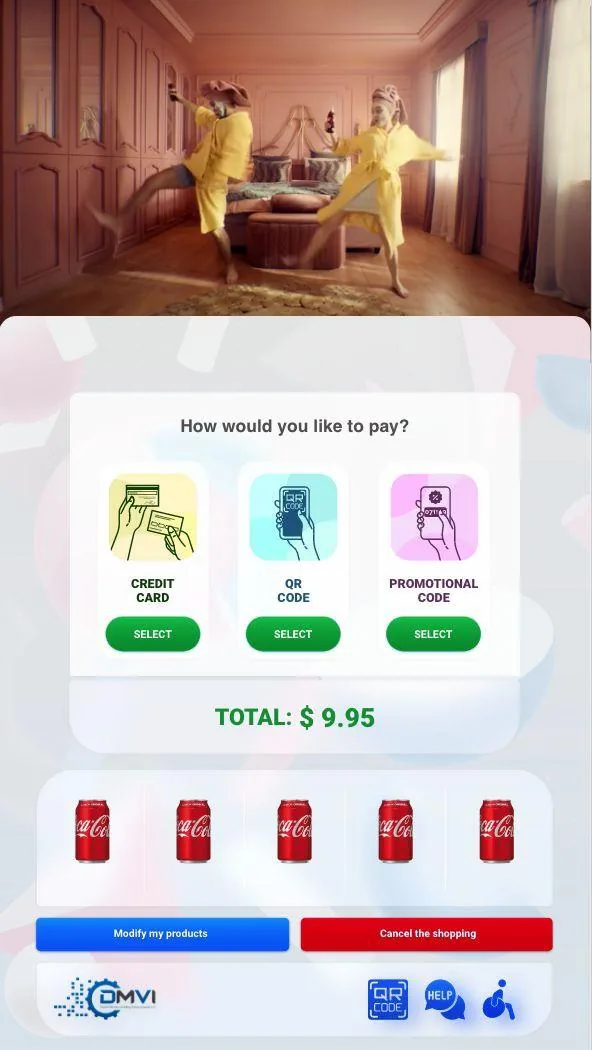
Most integration work fails when people talk about connectors in the abstract. The useful questions are which machine is involved, which external system owns the data, and where payment, verification, or order status has to pass between systems.
That is why VendingTracker scopes integrations around real deployment boundaries instead of pretending every third-party tool drops neatly into every vending environment.
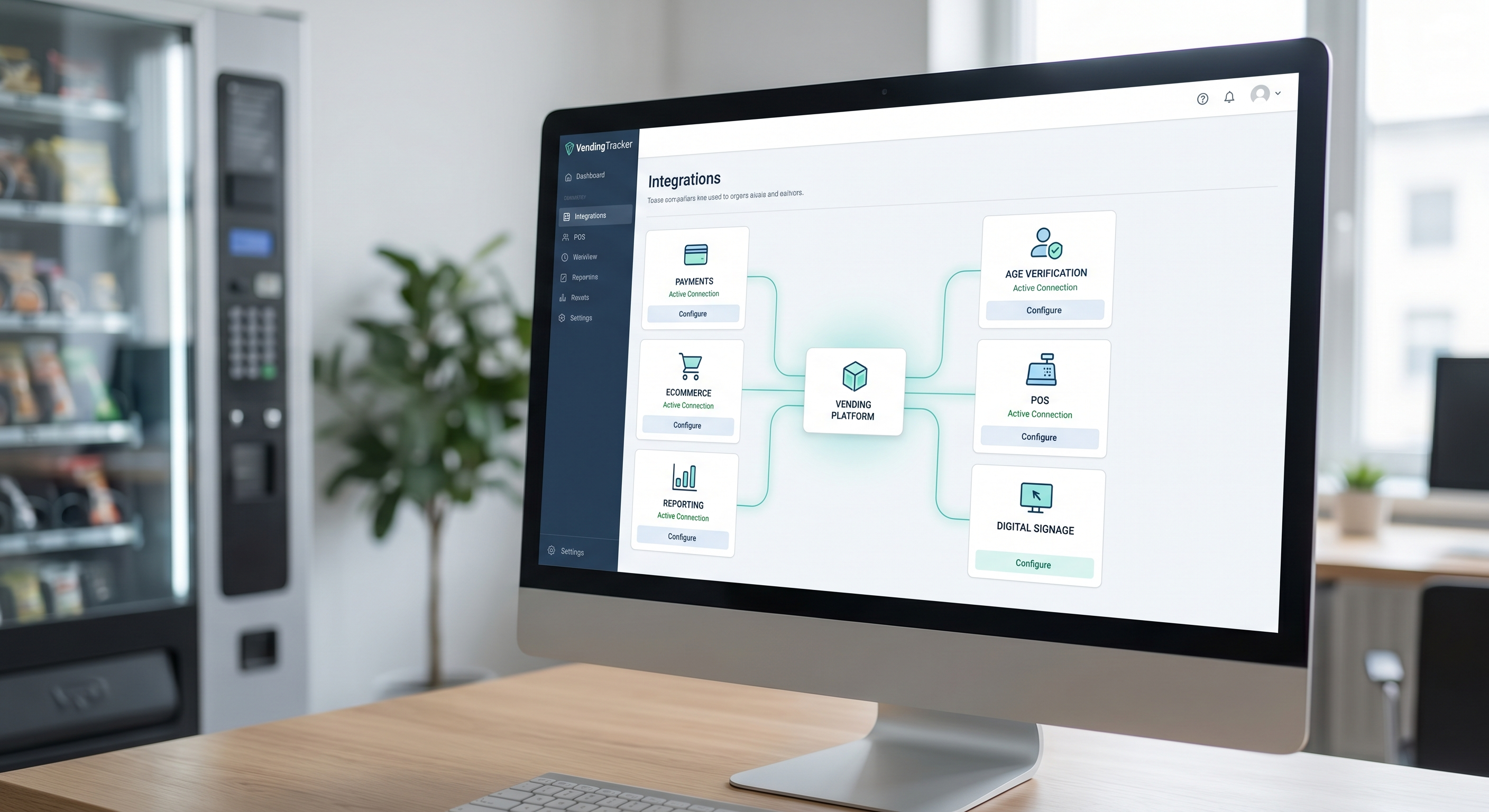
Integrations may include ad servers, payment processors, age verification hardware, POS or inventory systems, custom APIs, and enterprise reporting workflows depending on the deployment. That can also include ecommerce platforms such as Shopify when the project requires online ordering, reservation, and pickup at the machine.
Current payment examples include Nayax for broad international terminal coverage, a payment-rails-agnostic MagTek option for US deployments, and Mercado Pago for LATAM dynamic QR workflows.
The integration process starts with the machine environment, the external system, the available API or SDK access, and the commercial importance of the integration. That keeps the project grounded in what can actually be delivered.
Integration timing depends on complexity, documentation quality, and hardware access.
Some projects also need more than a connector. When the requirement includes custom machine UI, mobile app workflows, or private cloud logic, the cleaner lane is a scoped custom development conversation tied to the same deployment context.
Some integration projects also need machine UI, mobile-app, or private cloud scope. Use the next pages below when the brief is broader than a connector alone.
Potential integrations include payment processors, ad servers, age-verification hardware, POS systems, and other third-party workflows where the deployment supports them. Current payment examples include Nayax, MagTek, and Mercado Pago in the appropriate regional or workflow context.
API and custom integration access can be discussed for OEM and enterprise projects where the use case justifies it.
The timeline depends on machine path, documentation, and the complexity of the workflow.
Often yes, because the machine path still shapes the integration answer.
Provide the machine details, the external system, and the available documentation or SDK information.
Book a demo, request a compatibility review, or start an integration conversation with the right technical context from the start.