2,000+ machines
VendingTracker has shipped on more than 2,000 machines.
VendingTracker is the cloud software platform behind a broad range of smart-machine, retrofit, OEM, and regulated vending deployments supported by DMVI.
The platform is positioned around machine-agnostic management, practical retrofit work, branded machine experiences, and deployment-specific workflows rather than around a single hardware line. At the machine level, it is Android OS-based because DMVI wanted speed, 24/7 durability, and a touchscreen-first operating environment.
It is not browser-only either: the operator app is publicly available on both the App Store and Google Play, which helps show buyers they are looking at a product that is genuinely in market.
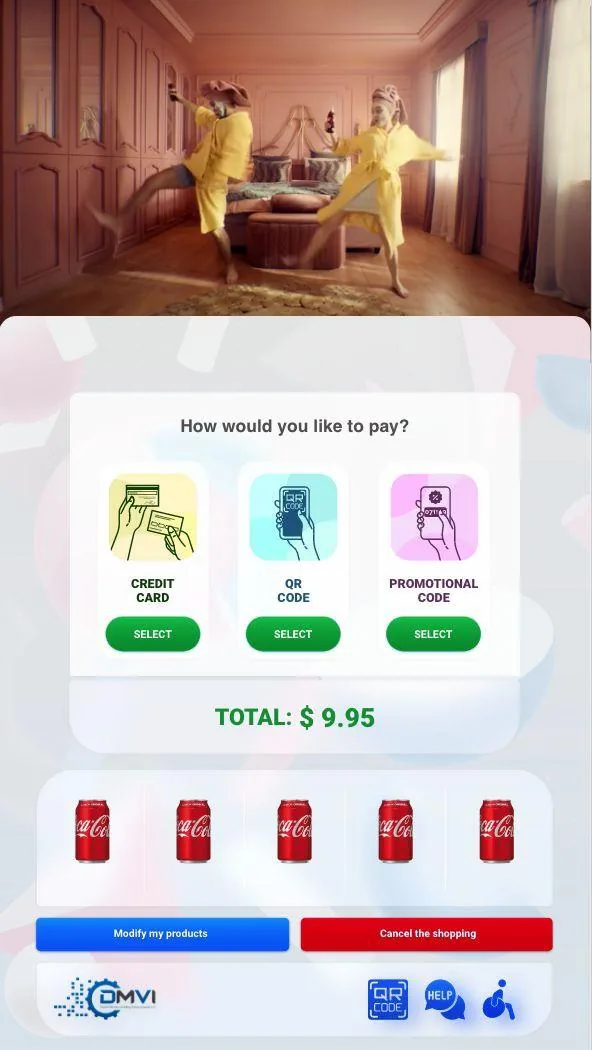
The VendingTracker story makes more sense when buyers can see that the platform came out of machine-side work, deployment planning, and real operating questions rather than a generic SaaS template.
That background is the through-line from DMVI into the software itself: practical rollout experience, touchscreen-first thinking, and a stronger grasp of how hardware, payments, branding, and workflow fit together.
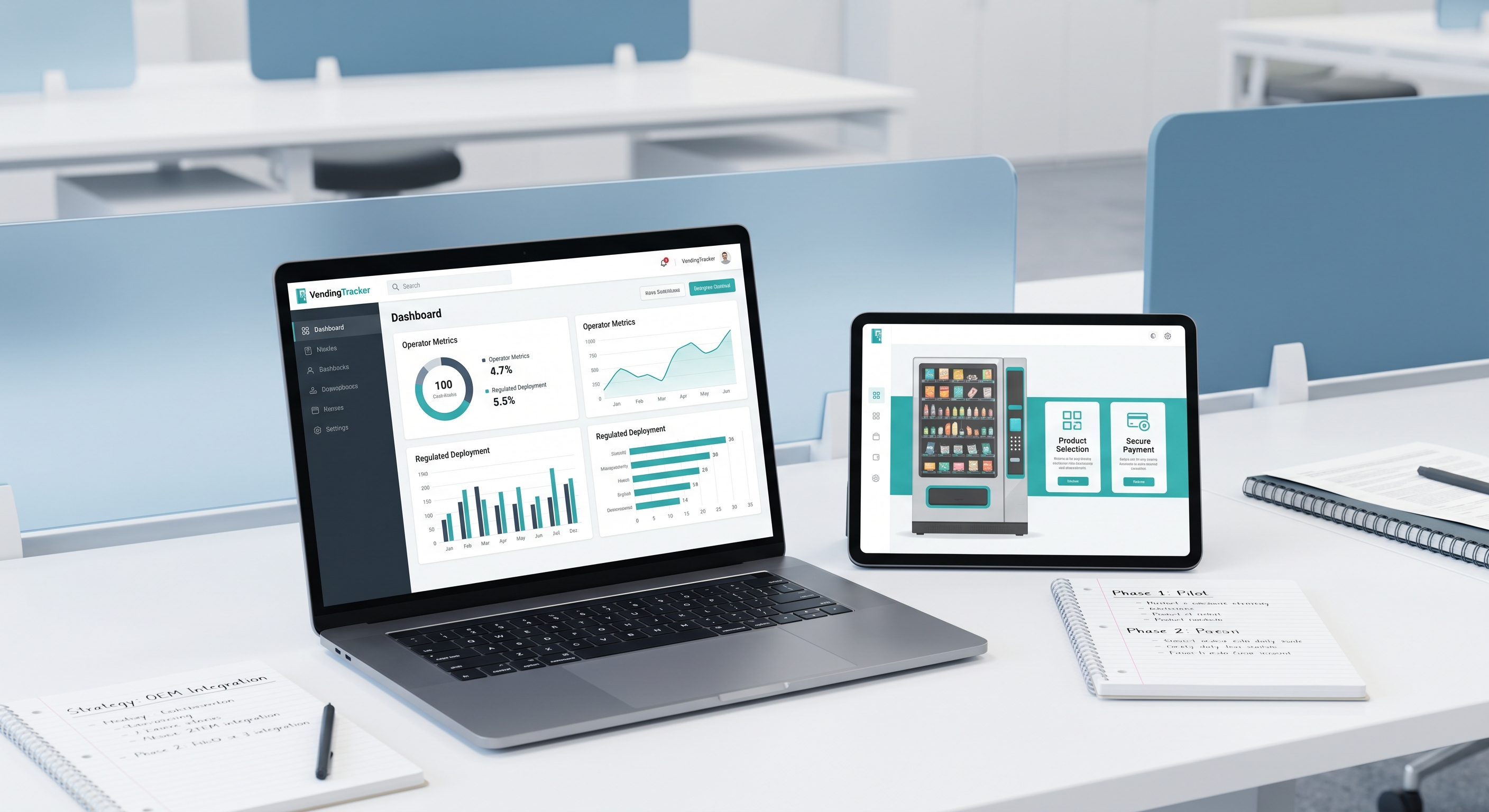
DMVI was founded in 2009 and has spent years building vending and automated-retail systems that combine machine engineering with software control.
That background matters because VendingTracker is not a standalone dashboard bolted onto vending. It comes from a company that understands machine reality, not just interface theory.
VendingTracker content and product positioning are overseen by David Ashforth, Founder at DMVI. That matters because buyers should be able to connect the software story to a named operator-side leadership voice rather than an anonymous block of marketing copy.
When DMVI publishes guides, workflow pages, and deployment notes, the aim is to ground them in the real machine, software, and rollout questions customers bring into live conversations.
Operators needed one operating layer across smart machines, legacy cabinets, branded deployments, and newer machine-side experiences. OEMs needed a platform they could brand. Regulated deployments needed workflow discipline instead of vague software claims.
VendingTracker exists to solve those problems in one cloud-managed system, with an Android OS-based machine layer selected for responsiveness, always-on operation, and touchscreen use.
The public app-store listings reinforce that this is a live shipped product with a mobile operator presence, not just a software story told on a marketing site.
VendingTracker has shipped on more than 2,000 machines.
The platform supports smart machines, retrofits, and custom review paths.
The platform covers monitoring, inventory, reporting, payments, branding, and deployment-specific use cases.
The strongest VendingTracker projects start with a clean review of machine fit, deployment reality, and commercial goal. That keeps the sales conversation grounded and keeps implementation work from becoming guesswork later.
For buyers, that usually means a compatibility review, a demo, or a scoped integration conversation depending on the starting point.
Because VendingTracker sits inside DMVI, some buyers want to review the parent-company story, machine catalog, and public showcases before they engage further.
That is a reasonable diligence step, and the most useful DMVI pages are linked below.
VendingTracker is built by DMVI, a California automated-retail and vending company with machine and software experience.
No. The platform is positioned for machine-agnostic management and mixed fleets rather than a single hardware line.
Operator fleets, OEM projects, regulated deployments, public-health programs, and retrofit work are all part of the platform scope.
VendingTracker has shipped on more than 2,000 machines.
If the machine path is not yet clear, start with compatibility. If it is clear, book a demo.
Book a demo, request a compatibility review, or start an integration conversation with the right technical context from the start.